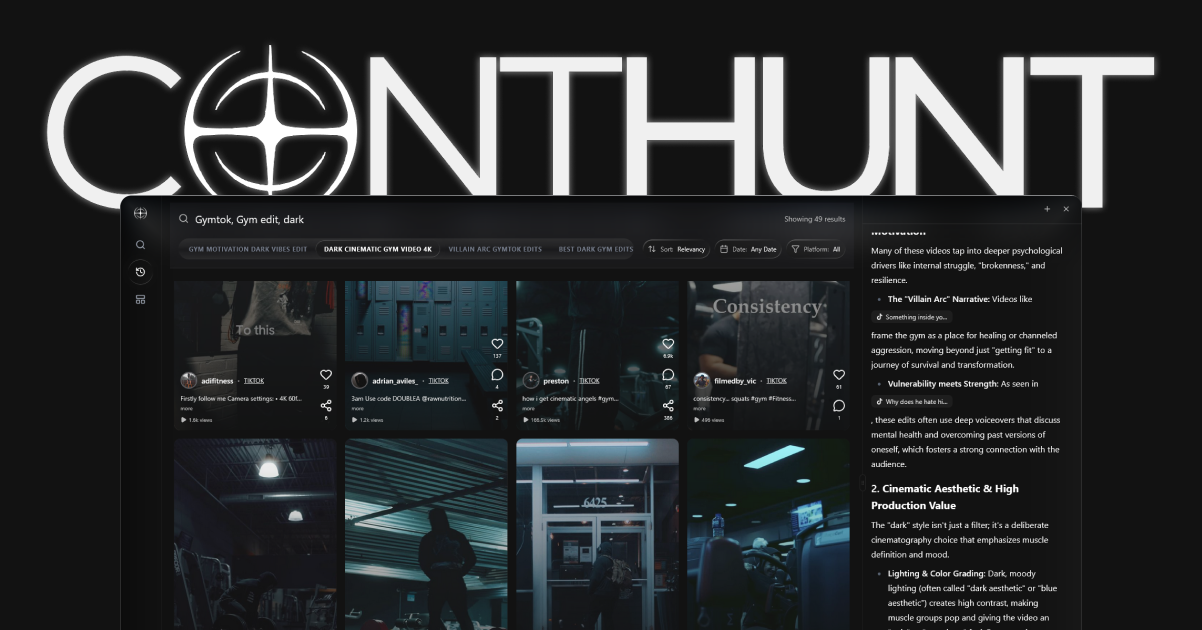
In 2026, virality is no longer an accident—it is a result of Predictive Momentum. The algorithms on TikTok, Reels, and Shorts have become so efficient that they can predict a video’s success within the first few hundred views. Understanding the “math” behind the magic is the key to repeating that success.
To go viral this year, you need to master the three pillars of the Social Momentum Formula.
1. The Pattern Interrupt (The Hook)
The “Hook” is the price of admission. In 2026, your audience has “scrolled past” everything. You must break their pattern.
- Visual Disruption: Start with a camera angle that is upside down, moving fast, or extremely close-up.
- The “Impossible” Statement: Use a text bubble that says something that sounds logically incorrect but intriguing (e.g., “Why missing the gym is better for muscle growth”).
- The Relatable Pain: Start with a situation that 90% of your niche has experienced (e.g., “That moment when your render crashes at 99%”).
2. Retention Alchemy (The Meat)
Once you have their attention, you must hold it. In 2026, this is done via Information Density.
- Remove the Fluff: Every second must provide value. If you can explain a concept in 5 words, don’t use 10.
- Visual Velocity: Change the text, background, or camera zoom every 2.5 seconds.
- Micro-Stories: Even a 40-second video should have a beginning (hook), middle (conflict), and end (payoff/solution).
3. Triggering Share-Velocity (The Payoff)
This is the most critical part of the formula in 2026. Views come from the algorithm, but Scale comes from people.
- “The Tag-a-Friend” Trigger: Create a moment that is so relatable that a viewer immediately thinks of a specific person they know.
- The “Save-for-Later” Value: Provide a list or a “how-to” step that is so useful the viewer saves it to their profile.
- The Controversy Spike: Take a definitive stance on a popular topic in your niche. This triggers comments (engagement) and shares (discussion).
2026 Viral Optimization Checklist
- Is it Vertical? Ensure no horizontal black bars.
- Is the Captions Clear? High-contrast text overlays are mandatory.
- Is the Audio Trending? Use ContHunt to ensure your sound has “Growth Velocity.”
- Is the Pacing Relentless? If you feel like the video is moving “too fast,” it’s probably just right for the 2026 feed.
Conclusion
Virality in 2026 is a game of probability. You cannot guarantee a viral hit, but you can significantly increase your odds by following the formula of Interrupt, Retain, and Share. By using data-driven insights from tools like ContHunt to guide your creative decisions, you can stop shouting into the void and start building a momentum that carries your brand to millions.
How should you apply How to Make a Video Go Viral: The 2026 Social Momentum Formula without copying one viral post?
Start with a small sample of public posts in the same niche and format, then compare them side by side. ContHunt is useful here because it keeps the original source available, so you can inspect the first seconds, overlays, comments, and publishing context instead of ranking ideas by total views alone. Capture the promise, the proof, and the next step the creator asks for. After you draft your version, change only one variable at a time: hook, length, caption, or thumbnail. That is the founder-led research loop we use internally at Synthenova Enterprises LLP: evidence first, then a test you can actually measure.
What should you write down while reviewing examples?
-
- The Pattern Interrupt (The Hook)
-
- Retention Alchemy (The Meat)
-
- Triggering Share-Velocity (The Payoff)
- 2026 Viral Optimization Checklist
- Conclusion
- Original URL and publish date
- Audience and offer, if one is stated
- What you will test next on your own account
Which ContHunt workflow matches this page?
- Search public short-form videos for the same viewer problem.
- Open several examples and keep the source links.
- Compare hooks, pacing, text, and comments.
- Turn repeating patterns into a brief, not a clone.
- Validate with your own retention and reply data.
Which official docs should you verify against?
How do you keep the brief honest?
Write the date you collected examples and the number of posts you actually opened. If you only watched two videos, do not describe a trend. Note what you could not see: private analytics, paid spend, and anything behind a login. ContHunt does not replace YouTube Analytics, Instagram Insights, or TikTok Analytics on your own account. It helps you inspect public creative with the source still attached. When you publish, keep a short log: hook used, length, caption, and the result after a comparable window. That log is more useful than copying a competitor’s posting time.
If the page you are briefing is about How to Make a Video Go Viral: The 2026 Social Momentum Formula, ask whether the viewer already knows the punchline. If they do, the first seconds have to show a new proof, a tighter demo, or a clearer next step. If they do not, the first seconds have to name the problem in plain language. Either way, the caption should match the video so a muted viewer and a later reader get the same promise. That is the standard we use in editorial review at ContHunt, and it is the standard we recommend to agencies handing briefs between researchers and editors.
What questions should you answer before you shoot?
Does this idea match the audience you can actually reach? Can you film the proof you described? Is there a next step that is honest? If the answer is no, pick a smaller version of the idea. Then review two more public examples and only then schedule production.
Related research
- How to Make a Reel on Instagram: The Step-by-Step 2026 Guide
- How to Identify Market Trends: The 2026 Intelligence Guide
- How to Grow Your YouTube Shorts Channel: Complete 2026 Guide
- How to Edit YouTube Shorts: The Ultimate 2026 Strategy
Key data
- Share-to-View Ratio
- 1:20 — The benchmark ratio required in the first 1,000 views to trigger a 'Massive Reach' event in 2026.
- Emotional Lift
- 400% — Videos that trigger a strong emotional response (Awe, Amusement, or Relatability) see a 400% increase in shares compared to informative content.